At BE FORGED, every wheel is a statement of performance, engineering integrity, and purpose.
Every commission begins with a detailed evaluation of the vehicle, its intended use, and the owner’s vision. From load requirements and brake clearance to fitment, construction, and finish, each wheel is engineered as a bespoke solution.
Your vehicle, your vision, your wheel. Plan a bespoke forged-wheel build around fitment, intended use, finish and hardware, with the details confirmed together.
Compare monoblock and multi-piece forged wheels, including construction, lip and face details, finish combinations and full, 50/50 or hidden hardware.
Configure bespoke forged wheels around your vehicle, brakes, suspension and tires. Learn how width, offset and clearance work together, and prepare your fitment inquiry.
FORGED MATERIAL. BESPOKE ENGINEERING.
Understand how material, construction and vehicle requirements come together in a bespoke forged-wheel specification. Explore the details below.
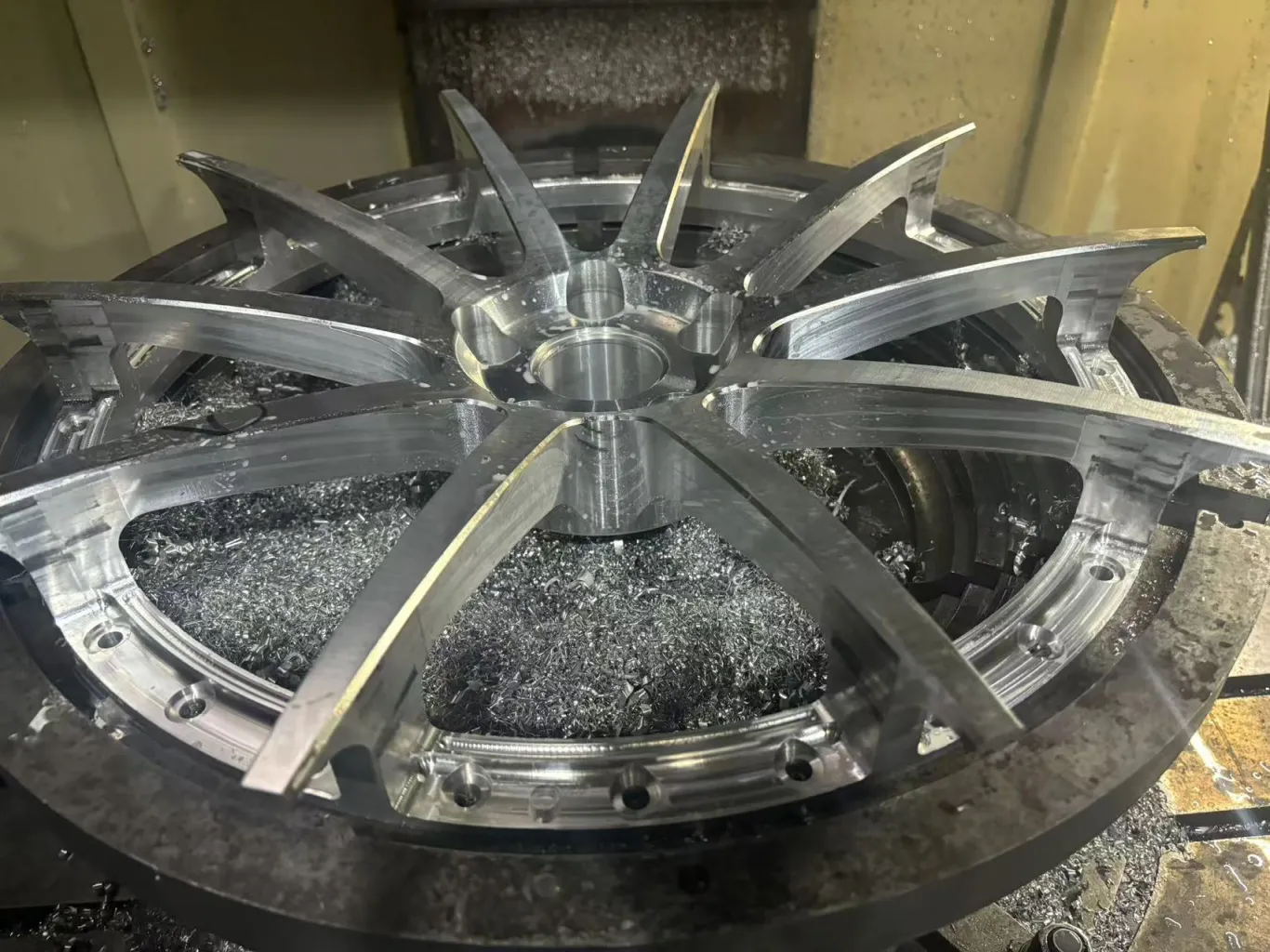
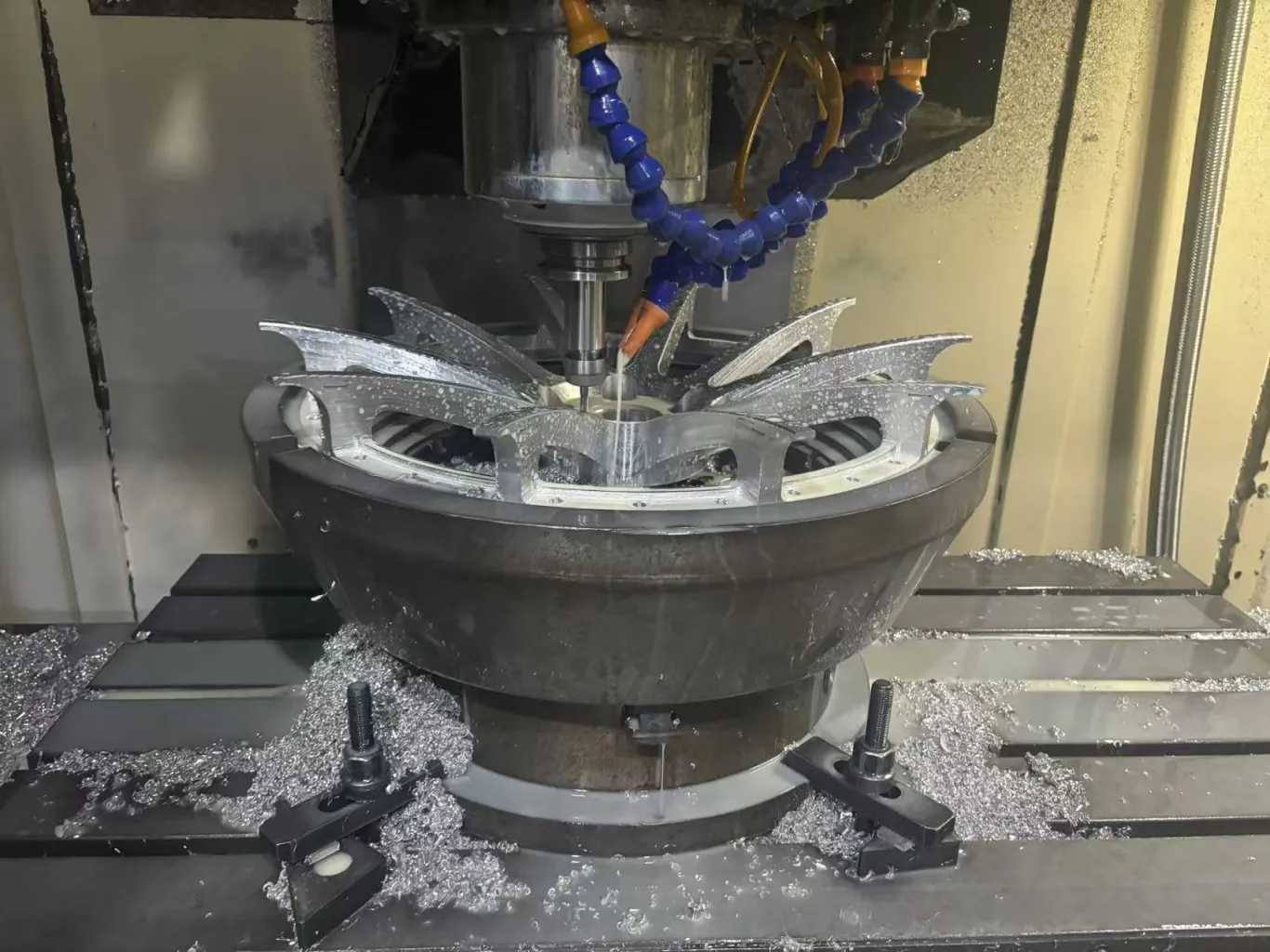
6061-T6 aluminum offers a useful combination of strength, low weight, corrosion resistance and machinability for forged-wheel applications. Forging shapes the aluminum under pressure; CNC machining then creates the wheel geometry and mounting details.
T6 describes a solution heat-treated and artificially aged condition. The precise forging and heat-treatment process depends on the material specification and production route.
A forged design can reduce unsprung and rotating mass compared with a comparable cast wheel. Actual savings depend on wheel size, design, construction and load requirements, so compare finished wheel weights for the same application. Read our forged, cast and flow formed wheel comparison for material strength, density and wheel-weight context.
Monoblock: The face and barrel are machined from a single forging. This integrates the wheel into one component without structural assembly hardware.
2-piece: A separate center and barrel allow additional choices in construction and finish. The joining method depends on the design.
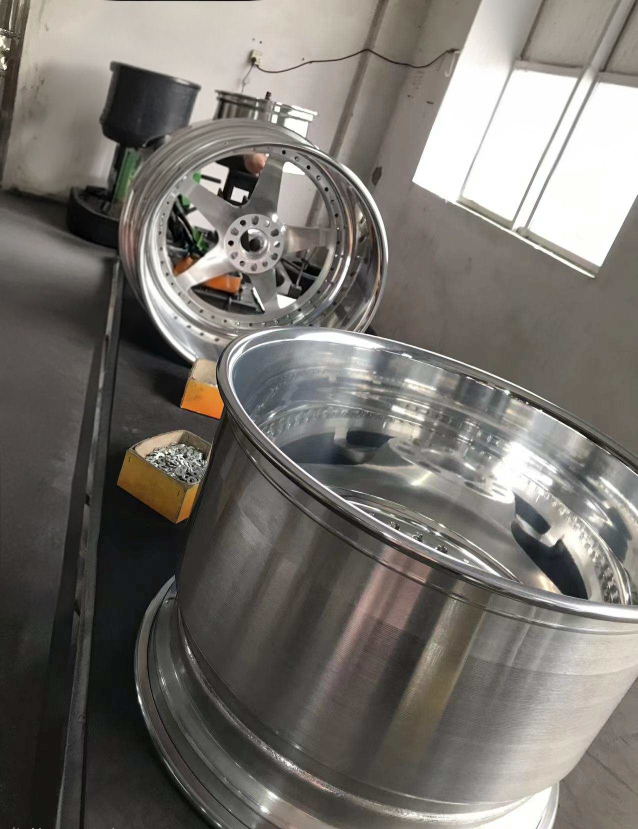
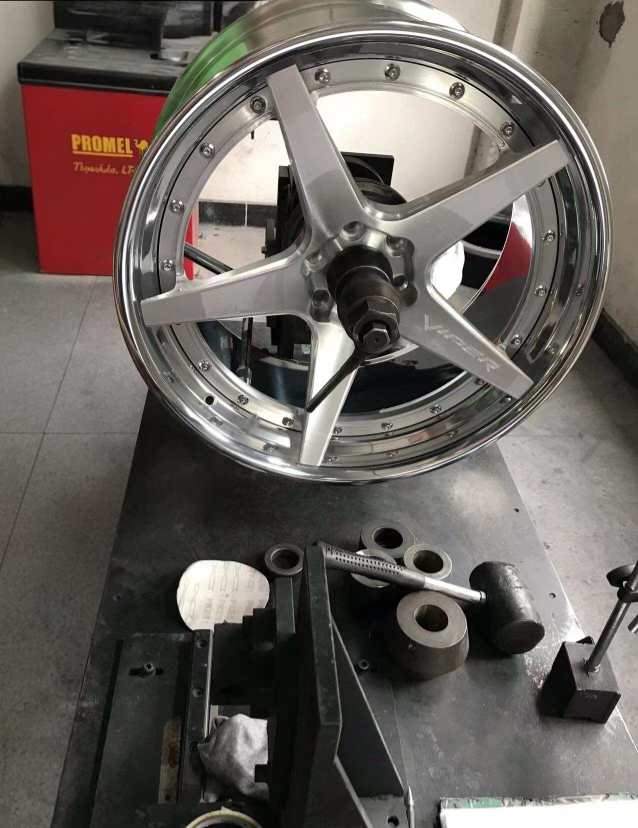
3-piece: A center, inner barrel and outer lip provide modular sizing and finish possibilities. Replacement of individual components requires an assessment of damage, compatibility and assembly requirements.
Weight, concavity and lip depth depend on the complete specification. Compare wheel construction and hardware options.
Finite element analysis (FEA) models stresses under defined load cases to help evaluate a design. Physical fatigue and impact testing assess performance under the conditions of a specified test procedure. Material inspection and dimensional checks address additional aspects of production quality.
Test methods, loads, cycle counts and inspection records must relate to the selected wheel configuration. Material tensile strength alone does not establish a finished wheel’s load rating or fatigue life.
Ask our team which engineering and test documentation is available for your build. Include your vehicle’s year, make, model and trim, intended street, track or towing use, preferred wheel and tire dimensions, and brake or suspension modifications. Read the engineering and standards guide.
FROM FITMENT TO FINISHED WHEEL.
We review vehicle fitment, load and brake requirements before confirming dimensions and finish. Each forged blank is CNC-machined, multi-piece builds are assembled, and the finished wheels are inspected before shipment.